


Shipper | Blog 5 min. read
What is CTPAT, and why does it matter for cross-border shippers?
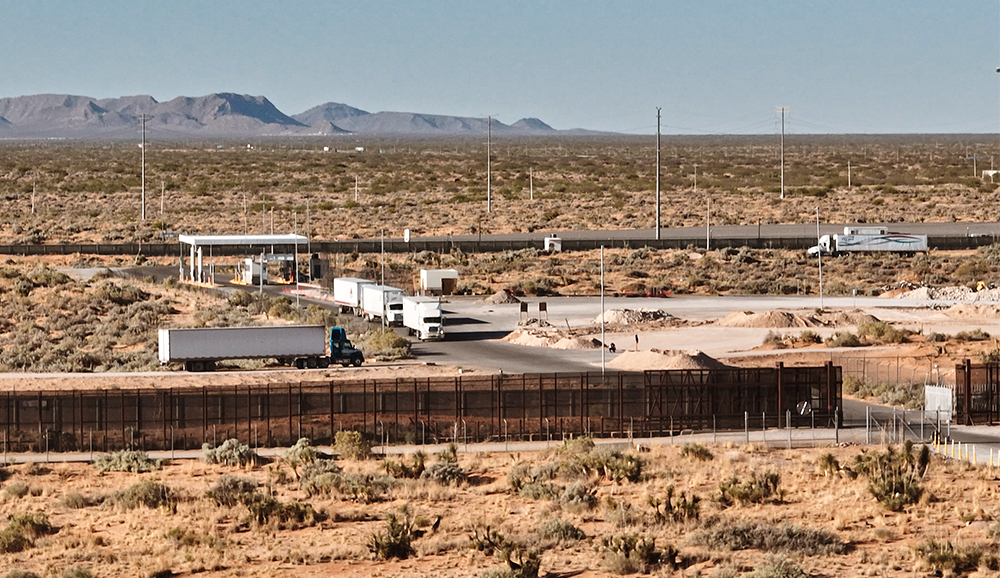
Moving freight across the U.S.-Mexico border requires more than capacity. It requires a secure, compliant and resilient supply chain that can keep freight moving when conditions change.
The Customs Trade Partnership Against Terrorism (CTPAT) is one of the most important programs supporting that goal. This article explains what CTPAT is, how certification works and why many shippers view it as an important tool for reducing risk, improving border efficiency and strengthening cross-border shipping performance.
Key takeaways
- CTPAT certification helps strengthen supply chain security while reducing risk across cross-border freight operations through documented, repeatable processes.
- Trusted CTPAT participants may benefit from faster border crossings and reduced friction, helping create a more reliable and efficient cross-border network.
- Shippers can begin preparing for CTPAT by evaluating security procedures, identifying gaps and partnering with carriers that maintain certified cross-border operations.
What is CTPAT?
CTPAT is a voluntary supply chain security program administered by U.S. Customs and Border Protection (CBP). Established following the September 11 attacks, the program was created to strengthen supply chain security and help prevent dangerous or illicit cargo from entering the United States. Over time, its focus expanded to address broader threats affecting cross-border freight operations.
Today, the program applies to a wide variety of supply chain participants, including shippers, carriers and third-party logistics providers. Organizations seeking certification must demonstrate compliance with security requirements established by U.S. Customs and Border Protection.
How does CTPAT work?
CTPAT is built on a simple idea: strengthen security throughout the supply chain before problems occur.
Companies that apply for the program agree to work with CBP to identify security vulnerabilities, implement supply chain security measures and maintain documented procedures designed to reduce risk.
As part of the application process, participants must complete a security profile describing how their organization meets the program's security requirements. CTPAT members are then expected to maintain those standards and may be validated by CBP to confirm compliance.
While requirements vary based on the organization's role in the supply chain, CTPAT certification often involves measures such as:
- Physical security controls around facilities and loading areas
- Visitor identification and access management procedures
- Background screening and personnel security practices
- Trailer inspection and cargo security processes
- Seal integrity procedures that help verify freight has not been tampered with
- Documentation and communication protocols throughout the shipment lifecycle
- Working with trusted carriers, warehouses and other supply chain participants that support secure freight movement
Certification depends on consistent execution. Security procedures must be part of daily operations, not simply documented on paper.
"CTPAT isn't just about passing an audit,” notes Bernardo Rodarte, vice president of Mexico operations at Schneider. “It's about building processes that your organization follows every day to ensure a resilient supply chain and then continually improving them so you're ready when CBP comes back to validate your operation."
Why does CTPAT matter for shippers?
CTPAT begins as a security initiative, but its value extends further. The right procedures can help shippers build a more reliable, flexible and resilient cross-border operation.
Mitigate security risk
Cross-border freight moves through multiple facilities, checkpoints and handoffs before reaching its destination. Each touchpoint creates an opportunity for cargo theft, tampering or other security issues.
CTPAT helps reduce those risks by requiring participants to implement and maintain documented security procedures throughout the supply chain.
For shippers, responsible security practices help protect freight, customer commitments and brand reputation.
Reduce border friction
Border delays can create ripple effects throughout the supply chain, impacting inventory, production schedules and customer service performance.
CTPAT-certified participants may be eligible to use the Free and Secure Trade (FAST) lanes at participating border crossings, allowing freight to move through customs more efficiently. CBP recognizes CTPAT participants as trusted supply chain members, which can help reduce friction at the border.
Rodarte compares the experience to the Department of Homeland Security's Global Entry program for travelers.
"That's exactly what CTPAT does from a shipper perspective," he says. "Access to the FAST lane gets you across the border much faster than those in the regular lines.”
While border conditions always vary, reducing time spent waiting at crossings can help create a more reliable freight network.
Improve driver productivity and access to capacity
The value of faster border crossings extends beyond transit times.
When drivers spend less time waiting in line, they can complete more productive turns throughout the day. That efficiency also helps carriers utilize equipment and driver resources more effectively, especially in busy cross-border markets.
According to Rodarte, improved productivity can ultimately benefit shippers as well.
"Carriers are probably going to have a little bit more preference over you because they're going to be able to turn it quicker versus somebody else," he explains. "It opens up capacity for the shippers."
In a market where capacity can tighten quickly, those efficiencies can help support more reliable service.
Gain more control during disruptions
No supply chain is immune to disruptions. Border protests, customs system outages, inspections and infrastructure challenges can quickly create congestion and delays.
While CTPAT cannot prevent these events, it can help organizations better navigate them. When significant disruptions occur, CBP often prioritizes CTPAT-certified shipments and carriers because they are recognized as trusted supply chain participants.
That distinction can provide an important operational advantage when freight is competing for limited border capacity.
How can shippers get started with CTPAT?
CTPAT certification is not something most organizations achieve overnight. Building the processes, controls and documentation required for certification takes time. Shippers can make the process more manageable by starting with three practical steps:
- Review the CTPAT resources available through CBP. The agency provides guidance, eligibility requirements and industry-specific security criteria for organizations interested in pursuing certification. In addition, experienced, certified cross-border carriers can collaborate with their customers, helping them understand CTPAT requirements and begin building the processes needed to pursue certification.
- Evaluate your facility and security processes. Physical security, visitor access controls, cargo inspections, seal integrity procedures and documentation practices are all important components of CTPAT compliance.
- Consider third-party audits. Many shippers engage external consultants to identify potential security gaps and improve readiness before CBP validations or revalidations.
Consider working with CTPAT-certified transportation providers
Not every shipper is ready to pursue certification immediately. However, shippers can still benefit from working with transportation providers that maintain CTPAT-certified operations. Rodarte recommends taking an active role in understanding how carriers support supply chain security.
When evaluating a cross-border provider, consider asking:
- Are you currently CTPAT certified?
- How do you monitor and maintain your certification status?
- What security procedures do you have in place to protect freight?
- How do you verify the security practices of third-party carriers involved in cross-border shipments?
- Can customers visit facilities or operations to better understand security procedures and controls?
Carriers that take security seriously are willing to demonstrate the procedures behind their certification.
"The ones who are doing things well will be excited about showing everything that they're doing,” says Rodarte.
CTPAT is just one piece of cross-border readiness
CTPAT strengthens supply chain security, but certification alone is not enough. Shippers also need accurate customs documentation, coordinated brokers, clear communication and contingency planning that help prevent freight from becoming stuck at the border.
The most effective organizations take a proactive approach. They build systems that strengthen security, improve visibility and create options before disruptions occur.
Whether pursuing certification or working with CTPAT-certified providers, the goal is the same: building a more secure, resilient supply chain that can keep freight moving when conditions change. CTPAT is one important piece of that strategy, helping organizations prepare for disruption before it impacts their operations.
Cross-border shipping strategy starts here
Navigate top U.S.-Mexico freight challenges with this free cross-border shipping guide.
Related resources
Drive your business forward
Sign up to receive our industry leading newsletter with case studies and insights you can put to use for your business.


