






Target
Intermodal Carrier of the Year
June 6, 2025


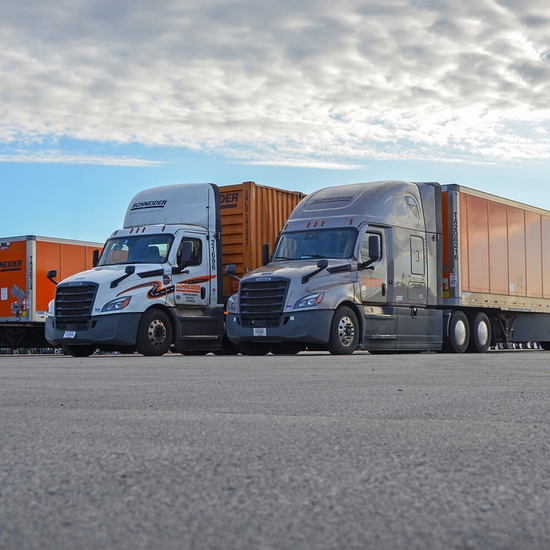
Multimodal freight blends modes like truckload, intermodal and logistics to optimize supply chains. A single carrier protects freight from point A to B, enhancing service, cost savings and capacity. It simplifies communication, ensuring streamlined shipping with clear updates and tracking.

Multimodal shipping can reduce exposure to risks associated with any single mode. Shippers can increase cargo security further by choosing a reliable multimodal carrier that uses a multi-layered security approach across their portfolio.

Multimodal transport cuts costs by using the most fuel-efficient and economical modes for each leg of the journey, helping shippers optimize routes, lower fuel expenses and reduce overall shipping costs.

Shippers improve efficiency with multimodal strategies by blending modes like van-truckload, intermodal or other logistics solutions, reducing handoff delays, and flexibly managing capacity to keep goods moving smoothly.
As a trusted multimodal carrier, Schneider not only helps shippers choose the most efficient transport modes for their supply chains, but also expertly manages every aspect of freight movement. We leverage more than 90 years of industry experience, innovative technology and a proven track record of reliability.

Sappi, a paper and forest product company, came to Schneider to streamline its supply chain. Schneider’s experts delivered a strategic multimodal solution with supply chain engineering that combined optimum modes to boost efficiency, resilience and reliability.
Target
June 6, 2025

Anheuser-Busch
May 9, 2025
Transport Topics
April 1, 2025
Multimodal shipping moves freight using two or more transportation modes, such as truckload, intermodal rail and port drayage, all managed by a single carrier. One provider protects your freight from point A to point B, choosing the most efficient mode for each portion of the journey. The result is simpler communication, one point of contact and consistent tracking across the entire shipment.
Intermodal is a mode; multimodal is a strategy. Intermodal shipping combines rail and truck, typically using 53-foot containers, to move long-haul freight cost-efficiently. Multimodal shipping would involve blending intermodal with other modes, like truckload, brokerage and drayage, under one carrier and one point of contact. Many shippers start by integrating intermodal into their transportation strategy, then expand to a full multimodal approach.
Multimodal shipping delivers three main benefits: lower costs, greater capacity flexibility and improved cargo security. Using the most efficient mode for each leg reduces overall shipping costs, while access to multiple modes means capacity is there when demand surges. One Fortune 500 food manufacturer used a multimodal plan combining truckload, intermodal and brokerage to overhaul its transportation model with no supply chain disruption.
Schneider provides multimodal shipping with full mode flexibility, including truckload, intermodal, brokerage, bulk, dedicated and port drayage, backed by more than 90 years of industry experience. Because Schneider operates these modes itself, with company-owned trucks and intermodal capacity at the core of the network, freight can shift between them as market conditions, capacity needs or timelines change, without adding new providers or contracts.
A multimodal carrier coordinates every leg through a single point of contact who manages providers, equipment and handoffs, with tracking at each stage. In practice, this approach can make a measurable difference. For example, when a polymer manufacturer faced port congestion in Los Angeles, Schneider coordinated drayage, transloading, warehousing and final delivery to move 46 containers off the port in five business days, saving more than $400,000 in demurrage fees, with daily tracking from port to final destination.
What's impacted your industry recently? Sign up to stay in the know.


